Contact center of the Ukrainian Judiciary 044 207-35-46
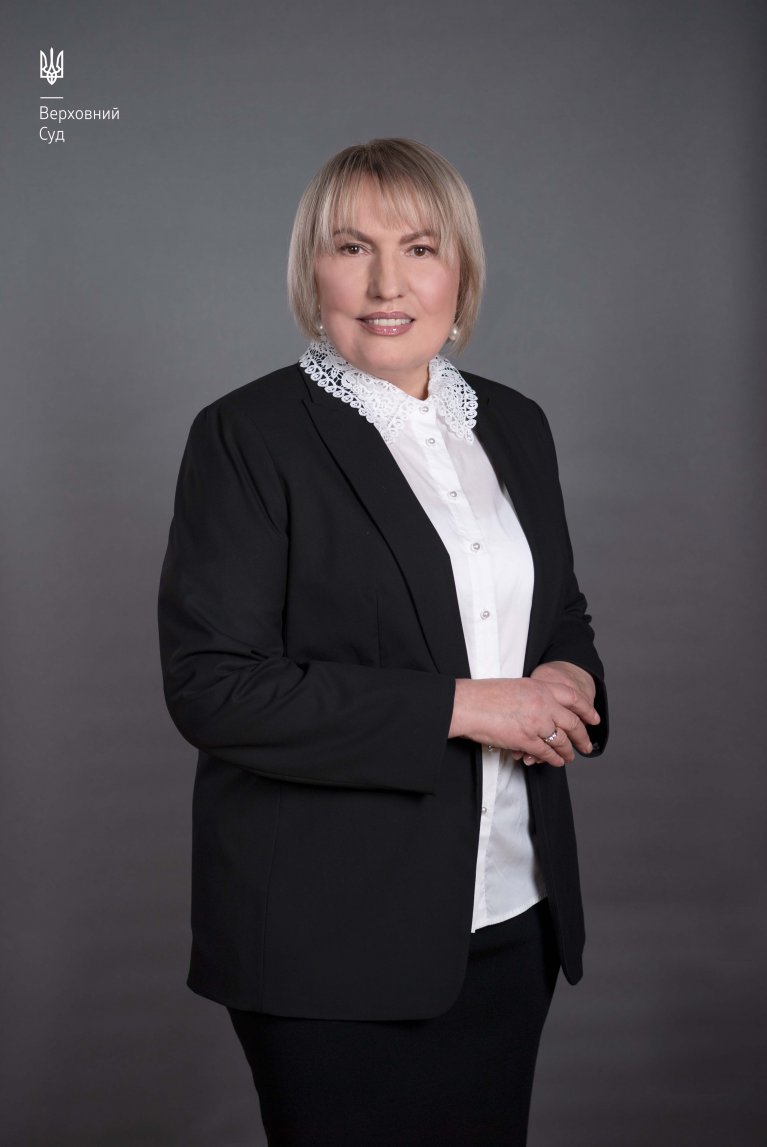
The legislative regulation of civilian firearms should establish clear criteria governing their use in self-defence and take account of associated risks, including those faced by women.
This was among the points raised by Judge of the Grand Chamber of the Supreme Court Nadiia Stefaniv during the online webinar entitled “Playing with Fire? Key Considerations for Discussions on Inclusive Policy for Regulating Civilian Firearm Ownership in Ukraine”.
The judge emphasised the need to assess the proposed regulatory framework also from the perspective of gender equality.
Nadiia Stefaniv presented participants with comments on the draft law “On the Right to Civilian Firearms”. These include, among other things, proposed amendments to the provisions governing necessary defence and the use of civilian firearms to protect the rights and legitimate interests of the individual, other persons and the public interest.
The proposed wording of these provisions does not impose an adequate limitation on the extent of harm that may be caused to a person carrying out an unlawful attack. This raises questions about the proportionality between the nature of the threat and the consequences of the use of a firearm by the person acting in self-defence.
The criteria for determining circumstances in which the use of a firearm would exclude criminal liability also require clarification. In particular, the draft law provides for consideration of the attacker’s manifest physical advantage over the person exercising the right to necessary defence. In practice, determining such an advantage may be difficult and create scope for inconsistent interpretation, including because of existing stereotypes concerning people’s physical capabilities.
The speaker also drew attention to provisions concerning protection against acts of a sexual nature involving violence. In the judge’s view, legislation should take account of the different circumstances in which a woman may require protection from an attack or an actual threat, since it is difficult to establish an exhaustive list of such circumstances in legislation.
It is therefore important to involve gender equality specialists in discussions on the draft law and, when developing the relevant policy, to draw on research findings.
The judge also addressed the issue of illicit firearms trafficking in the context of the full-scale war. An analysis of judicial practice indicates that criminal offences involving the use of such weapons are being committed, as well as an increase in the number of criminal proceedings and convictions under Article 263 of the Criminal Code of Ukraine. At the same time, survey data concerning the presence of firearms in households do not always fully reflect the actual situation.
Ukraine needs legislation establishing clear conditions and limits for civilian firearm ownership, rather than regulating this matter at the level of the current subordinate regulatory legal act.
The event was organised by the Office of the Government Commissioner for Gender Policy in cooperation with the NGO La Strada-Ukraine and the international research centre Small Arms Survey.
